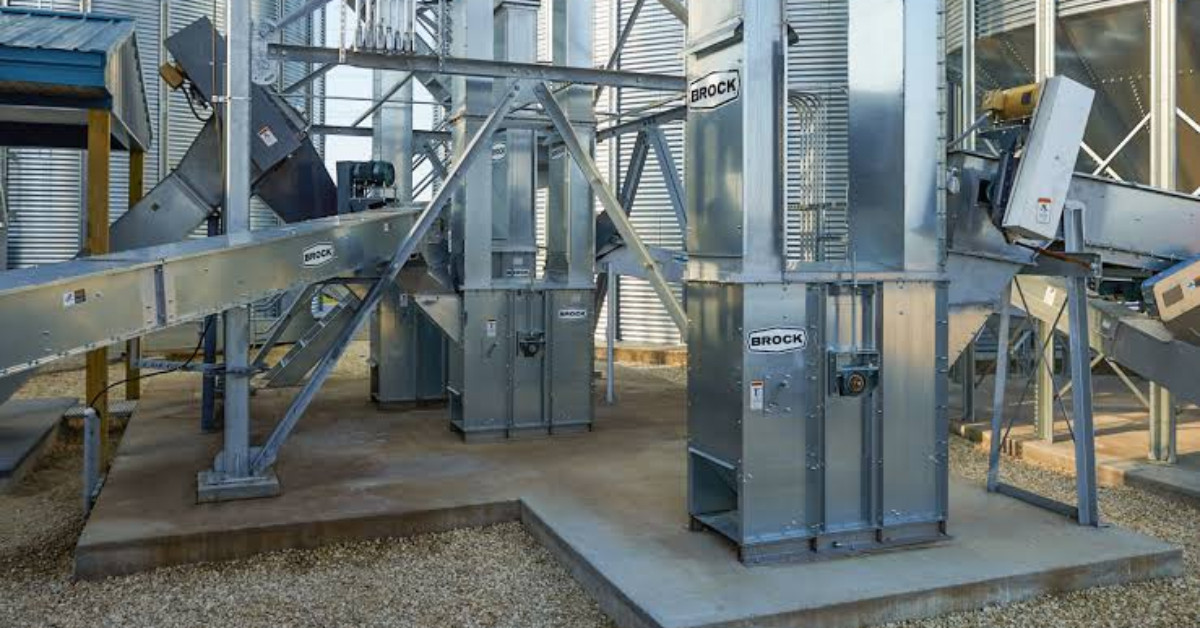
A bucket elevator may look like a straightforward piece of material handling equipment, but it works under continuous mechanical stress. Chains or belts carry loaded buckets vertically, bearings rotate for long operating hours, and dust or abrasive materials can gradually affect critical components. Without proper maintenance, small problems can quickly become costly production stoppages.
For facilities handling cement, fertilizer, minerals, and other bulk materials, a consistent maintenance program is therefore essential. Whether you operate a TONGLI Bucket Elevator or a Fertilizer Bucket Elevator, preventive maintenance can improve reliability, extend component life, and help maintain steady production. Cementl is also relevant when selecting industrial conveying equipment because proper engineering and equipment quality provide an important foundation for long-term uptime.
Inspect the Elevator Regularly
The simplest maintenance habit is often one of the most effective: inspect the equipment consistently. A routine inspection allows operators to identify developing problems before they become major failures.
Look for unusual vibration, abnormal sounds, loose fasteners, damaged buckets, material buildup, and signs of wear around the drive system. The belt or chain should also be checked for unusual movement or tracking problems.
For a TONGLI Bucket Elevator operating under demanding conditions, inspections should be incorporated into the plant’s normal maintenance schedule. Operators who know what normal operation sounds and looks like are often able to recognize changes much earlier.
A Fertilizer Bucket Elevator may require additional attention to buildup because fertilizer products can absorb moisture or accumulate around loading and discharge areas under unsuitable conditions.
Check Chains, Belts, and Buckets
The lifting mechanism is at the heart of every bucket elevator. Depending on the design, the buckets may be attached to a belt or chain, and these components experience continuous loading during operation.
Inspect chains for elongation, damaged links, inadequate lubrication, and unusual wear. For belt-driven systems, check for cracks, edge damage, excessive stretching, and tracking problems. Bucket attachments should also be examined to ensure fasteners remain secure.
Damaged buckets should not simply be ignored because they can affect material flow and potentially damage other components. Replacing a worn bucket or attachment early is generally much easier than dealing with a larger mechanical failure.
A TONGLI Bucket Elevator should be maintained according to its specific design and operating requirements, while a Fertilizer Bucket Elevator should be checked with the characteristics of the handled material in mind.
Keep Bearings and Drive Components in Good Condition
Bearings, shafts, pulleys, sprockets, motors, and gearboxes all play important roles in reliable elevator operation. A problem in one component can increase stress throughout the entire system.
Listen for grinding, squealing, or unusual mechanical noise around bearing locations. Excessive heat can also indicate lubrication problems, overloading, misalignment, or bearing deterioration.
Lubrication should always follow the equipment manufacturer’s recommendations. Applying too much lubricant is not necessarily better, especially in dusty environments where excess grease can attract contaminants.
Drive components should also be checked for alignment and secure mounting. Properly maintained drive equipment allows the elevator to operate more smoothly and reduces unnecessary energy consumption.
Control Material Buildup and Maintain Cleanliness
Dust and material accumulation can create surprisingly serious problems. Buildup around the boot, buckets, guides, sprockets, or discharge area can interfere with normal operation and increase mechanical resistance.
Regular cleaning makes it easier to spot developing defects while also reducing the possibility of blockages. This is especially important in cement and fertilizer processing facilities where fine particles can spread throughout the surrounding equipment.
For a Fertilizer Bucket Elevator, operators should pay close attention to moisture-related buildup and changes in material flow. If material repeatedly accumulates in the same location, the issue may not simply be cleanliness. It could indicate a problem with feeding, bucket loading, discharge, or elevator configuration.
Cementl’s industrial equipment solutions are relevant here because proper equipment design can help create efficient material flow and make maintenance access more practical.
Monitor Alignment and Operating Performance
An elevator should not be judged only by whether it is running. Changes in operating performance can provide valuable information about developing mechanical problems.
Watch for reduced capacity, irregular discharge, increased vibration, unusual noise, or changes in motor load. These symptoms can indicate misalignment, excessive chain or belt tension, worn sprockets, bearing problems, or overloading.
Alignment should be checked whenever major components are installed, replaced, or adjusted. A small alignment error can gradually cause uneven wear and increase stress on the lifting mechanism.
For a TONGLI Bucket Elevator, keeping the equipment within its intended operating specifications is an important part of achieving dependable service. Preventive monitoring can also help identify problems before they result in an unexpected shutdown.
Building a Better Maintenance Strategy
Maximum uptime does not come from waiting until something breaks and then repairing it. It comes from creating a maintenance routine that combines inspections, cleaning, lubrication, component checks, and performance monitoring.
Maintenance records can be particularly useful. Recording when components were inspected, adjusted, lubricated, or replaced allows teams to identify recurring problems and plan future work more effectively.
Equipment selection also matters. A properly sized TONGLI Bucket Elevator or Fertilizer Bucket Elevator is more likely to provide reliable service when its capacity and construction match the material and operating environment. Working with an experienced manufacturer such as Cementl can help ensure that equipment selection and engineering requirements are considered from the beginning.
Conclusion
Reliable bucket elevator operation depends on consistent attention to the equipment. Regular inspections, proper chain and belt maintenance, bearing and drive-system care, cleanliness, and alignment monitoring can significantly reduce unexpected downtime.
Whether your facility uses a TONGLI Bucket Elevator for heavy industrial materials or a Fertilizer Bucket Elevator for agricultural products, preventive maintenance should be treated as an investment rather than an expense. With the right maintenance strategy and properly engineered equipment from manufacturers such as Cementl, plants can improve uptime, reduce repair costs, and keep bulk material moving efficiently for the long term.
Stay in touch to get more updates & alerts on TubeGalore! Thank you