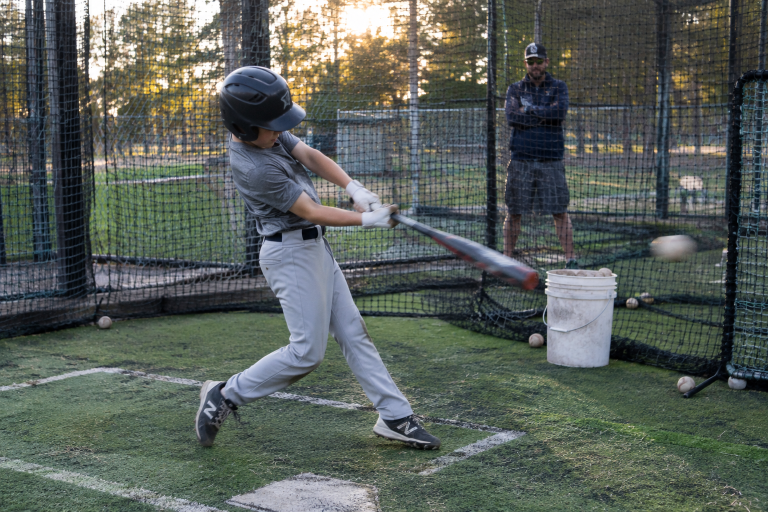
For players and families in the Inland Empire, productive work does not require an elaborate facility or a marathon session. A visit to batting cages in Upland California can become a meaningful development opportunity when every round has a purpose, a simple plan, and a way to review what happened.
Whether a player is preparing for Little League, high school ball, travel baseball, or a weekend game with friends, better batting practice starts with quality attention. The goal is not to prove how far the ball can travel. The goal is to build repeatable swings, sharper decisions, and confidence that carries from the cage to the field.
Why Purpose Matters in Batting Practice
More swings do not automatically create better hitters. A player who takes 75 rushed swings without feedback may reinforce the same problem repeatedly. Before each session, choose one target, such as staying balanced through contact, hitting line drives up the middle, or letting outside pitches travel deeper.
Keep the focus narrow. One cue is usually enough: “see it deep,” “finish balanced,” or “drive it through the middle.” When fatigue causes posture, balance, or attention to slip, take a break or end the round. Productive practice rewards good repetitions, not simply high totals.
What to Do Before the First Swing
Arrive with a small routine that helps the body and mind shift into practice mode. Start with light movement, shoulder circles, hip turns, and a few dry swings. Then check the helmet, bat, footwear, balls, netting, and the area around the hitter.
Players in Upland often fit batting practice between school, work, and team commitments, so a consistent reset is valuable. Take a moment to name the day’s goal, visualize one clean swing, and begin with easy contact rather than immediate max-effort cuts.
How to Structure a Productive Session
A useful session moves from control to challenge. This format can work in a cage, on a field, or during a team practice.
- Warm up: Take relaxed dry swings and easy tee swings.
- Find contact: Use controlled swings aimed through the middle of the field.
- Work on direction: Dedicate a round to the opposite field or pull side.
- Add movement: Move to soft toss, front toss, or a pitching machine.
- Finish with intent: Take a short round of game-like swings with a clear situation.
This order gives hitters a chance to feel their swing before speed and pressure enter the drill. It also gives a coach, parent, or training partner a better opportunity to notice whether a problem begins with setup, timing, or decision-making.
Core Drills for Better Contact
Front Toss for Timing
Front toss lets hitters see a moving ball without the speed of live pitching. Set up a safe screen for the tosser and begin with strikes in a consistent area. The cue is simple: stay under control until the ball reaches the hitting zone.
Middle and Opposite-Field Rounds
Use one round to drive the ball through the middle, then another to send it toward the opposite field. These targets discourage a hitter from trying to pull every pitch. The coaching cue is to let pitch location determine direction instead of forcing the same swing on every ball.
Two-Strike Rounds
Give the hitter a 0-2 count and ask for a competitive, controlled swing. The aim is not to become defensive. It is to practice a shorter move to the ball, stay balanced, and put a hittable pitch in play.
Pause-and-Swing Drills
On a tee or during dry swings, pause briefly after the stride before completing the swing. This helps players notice whether their head, posture, and weight feel stable. Resume normal swings after a few repetitions so the drill supports, rather than replaces, natural timing.
Pitch Recognition and Timing
Batting practice should not consist entirely of predictable strikes. Mix in takes, different locations, and changes in speed when the hitter is ready. Younger players can begin by identifying high, low, inside, and outside pitches. More experienced hitters can work from a count or practice taking a borderline pitch.
Professional hitters also use controlled cage work to focus on exact contact rather than simply watching the ball fly. One recent example showed how precise contact in a controlled cage setting can shape a more deliberate preparation routine.
Game-Like Practice Reps
Make the final rounds feel connected to an at-bat. Before each pitch, call out a situation: runner on second with one out, first-pitch fastball, or two strikes with a runner moving. The hitter should respond with an appropriate plan, not a preselected swing.
This approach does not require a full scrimmage. It simply adds a decision before contact, which makes ordinary cage work more relevant to game day.
How to Track Progress
Track improvement with a small notebook or phone note. Record the day’s goal, one result, one strength, and one adjustment for next time. Useful results include balanced finishes, line drives through the middle, quality takes, or successful opposite-field contact.
Review notes every few weeks instead of judging progress swing by swing. That pattern helps players see whether a drill or cue is truly useful over time.
Common Mistakes to Avoid
- Trying to hit every ball as far as possible.
- Changing multiple mechanical details in one session.
- Ignoring balance after contact.
- Continuing after focus and swing quality have dropped.
- Seeing the same pitch location for every round.
- Leaving without a brief review of the session.
Safety and Equipment Basics
Safe batting practice protects hitters, coaches, and nearby families. Wear the protective gear required by the facility or team, keep non-hitters outside the active area, and wait until the hitter has finished before retrieving balls. Players should also use a bat that feels controllable and a helmet that fits securely.
Following posted rules matters, especially in shared spaces where several groups may be moving through the same area. Organized cage procedures and clear boundaries help prevent avoidable distractions and accidents.
A Simple Practice Checklist
- What is my main goal today?
- Which drill best supports that goal?
- How will pitch location, speed, or count change?
- What does a successful swing look like?
- When will I stop if fatigue affects quality?
- What result will I record afterward?
Conclusion
Every batting practice session in Upland can count when it has a clear goal, quality repetitions, useful variation, and an honest review. Keep the routine simple, stay safe, and focus on making each swing more intentional than the last.


