Table of Contents
- Understanding Conduit Types
- Factors to Consider When Choosing Conduit
- Conduit Sizing and Fill Capacity
- Installation Environment and Material Selection
- Compliance with Electrical Codes
- Future-Proofing Your Electrical System
- Final Thoughts
Selecting the optimal conduit for your electrical project is foundational for ensuring not just safety, but also a seamless, code-compliant installation. The correct conduit goes beyond simply housing wires. It defends against moisture, mechanical harm, and environmental exposure, contributing significantly to the longevity of your electrical work. For contractors and DIYers alike, the right choice simplifies future maintenance and upgrades while keeping your project in line with required standards.
The vast range of conduit options can make the process feel complex, but breaking it down by application, material, and environment enables confident, informed decisions. Early-stage consideration of factors such as conduit type, size, and material is essential for cost efficiency and system longevity. For those sourcing products, finding a reliable supplier is equally important. Companies like Divergent Alliance can support your project with suitable solutions across residential, commercial, and industrial jobs. Careful planning at the outset helps prevent costly modifications or replacements later in the project lifecycle. By aligning conduit selection with both current requirements and future expansion needs, you create an electrical system built for durability and long-term performance.
Understanding Conduit Types
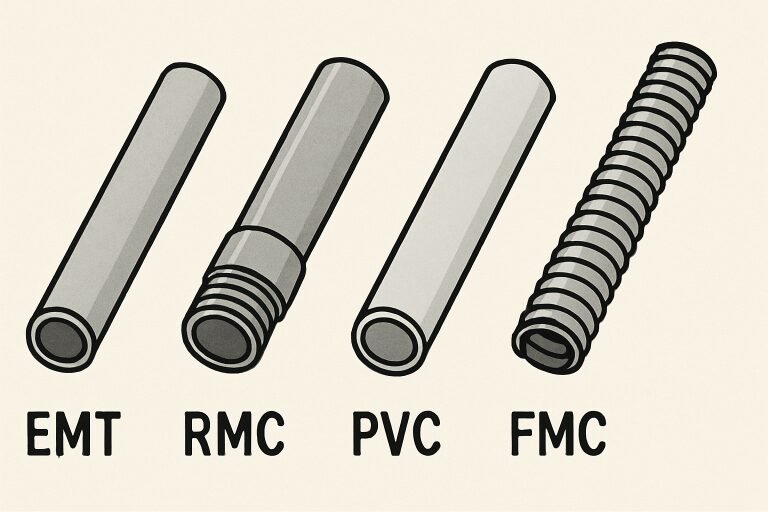
Electrical conduits are manufactured from a variety of materials, with each type designed to address specific challenges and environments:
- Electrical Metallic Tubing (EMT): A lightweight, metal solution favored for interior spaces, EMT facilitates straightforward installation and bending. While it offers good protection in dry or damp indoor environments, it is not recommended for exposure to wet conditions.
- Rigid Metal Conduit (RMC): Typically made from galvanized steel, RMC withstands significant physical abuse and is well-suited for exterior use and high-traffic commercial locations.
- Polyvinyl Chloride (PVC) Conduit: This non-metallic, corrosion-resistant conduit is an industry favorite for underground or wet-area installations. It must be UV-protected for outdoor surface runs.
- Flexible Metal Conduit (FMC): FMC is advantageous for installations involving movement, vibration, or navigating tight corners, making it popular for renovations and equipment hookups.
Factors to Consider When Choosing Conduit
Deciding on the right conduit is not just a matter of material preference. The installation’s environment, expected use, and building codes all have a significant impact on your selection:
- Environmental Conditions: Will your installation be exposed to moisture, chemical spills, heat, or physical damage?
- Installation Location: Is the conduit needed inside, outside, under floors, in walls, or even buried underground?
- Electrical Load: How many wires need protection, and what types of electrical currents will they carry?
- Flexibility Requirements: Will your route be direct, or is maneuverability necessary due to building architecture or equipment design?
Understanding these unique requirements will help you narrow options and ensure strict compliance with the building’s expected performance and safety standards.
Conduit Sizing and Fill Capacity
Correctly sizing your conduit is essential for both electrical and physical safety. If you overload a conduit with too many wires, you risk heat buildup, insulation damage, and difficulty pulling wires during upgrades or repairs. The National Electrical Code (NEC) establishes specific maximum fill percentages based on the number of wires run:
- For one wire: Do not exceed 53% of the internal cross-sectional area.
- For two wires: The maximum fill drops to 31%.
- For three or more wires, keep the combined fill at 40% or less.
Always calculate the combined cross-sectional area of your cable, then select a conduit size that comfortably meets the NEC fill requirements. Overfilling can compromise safety and future flexibility.
Installation Environment and Material Selection
Matching the conduit material to your installation environment is fundamental for project success:
- Indoor Dry Locations: EMT is a cost-effective, easy-to-use option suitable for most indoor needs where moisture is not a concern.
- Outdoor or Wet Locations: Choose PVC conduit for its moisture immunity. Confirm outdoor PVC carries a UV-resistant rating for surface applications.
- Underground Installations: PVC is again a frontrunner, but only if listed for direct burial. For higher stress or code-required locations, opt for RMC or specially rated PVC.
- High-Temperature Areas: Metal conduits, such as RMC (Rigid Metal Conduit) or IMC (Intermediate Metal Conduit), are preferred for withstanding heat and physical abuse.
Compliance with Electrical Codes
Following code requirements is a non-negotiable aspect of electrical conduit installation. The NEC and local codes outline which conduit types and installation methods are permitted in specific situations:
- Always select conduits approved for the environment—never substitute indoor-rated conduit for outdoor areas or vice versa.
- Ensure the metal conduit is properly bonded and grounded to prevent electric shock hazards.
- Maintain strict adherence to fill limitations to avoid overheating or damage to wiring insulation.
- Never skip permitting or inspections. Local authorities ensure your project complies with both safety and fire-prevention codes.
Non-compliance carries significant risks, including failed inspections, increased liability, and potentially dangerous electrical faults. Get familiar with code requirements before any installation, and always update your understanding as codes evolve.
Future-Proofing Your Electrical System
One of the best investments you can make is planning for growth or modification. Over time, buildings and their electrical requirements change. By preparing your system for future expansion, you save money and labor costs down the line:
- Oversize Where Appropriate: When possible, install conduits larger than your immediate need. This gives you space to pull extra wires for new circuits or technologies without major disruption.
- Accessibility: Choose conduit routes that are easy to access for ongoing maintenance, inspection, or upgrades.
- Durable Materials: Use high-grade conduits for longevity, especially in harsh environments. This reduces total ownership costs and repair downtime.
With a little extra planning, you can make your electrical system more adaptable and cost-effective for years to come.
Final Thoughts
Choosing the correct conduit for any electrical project requires thoughtful consideration. From understanding types and fill capacities to evaluating code requirements and future-proofing, each step is vital for a safe, efficient, and resilient installation. Work with reputable suppliers and consult industry experts as needed to get the best outcome for your electrical system, safeguarding your project’s value and the safety of everyone who will use or maintain it.