Key Takeaways
- Consistent chimney maintenance removes creosote, reducing the likelihood of dangerous chimney fires.
- Annual inspections catch structural or airflow issues early, often before they become expensive repairs.
- Properly cared-for chimneys improve indoor air quality and keep heating bills lower through better efficiency.
Table of Contents
- Understanding Creosote and Its Dangers
- The Importance of Annual Inspections
- Preventing Carbon Monoxide Poisoning
- Enhancing Energy Efficiency
- Signs Your Chimney Needs Attention
- Best Practices for Chimney Maintenance
- Choosing a Professional Chimney Service
- Conclusion
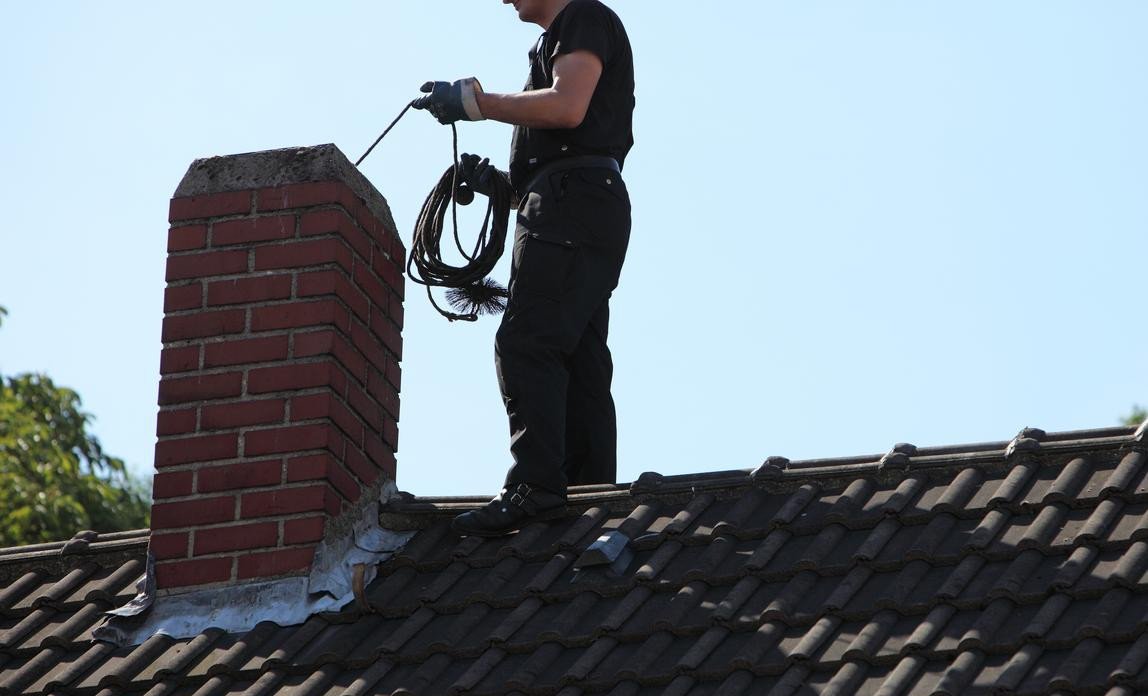
Maintaining a chimney may not be at the top of every homeowner’s to‑do list, but regular upkeep plays a vital role in overall home safety. Over time, soot, creosote, and debris can accumulate in the flue, creating a hazardous environment that increases the risk of chimney fires and reduces airflow efficiency. In addition, unnoticed cracks or blockages can allow dangerous gases, such as carbon monoxide, to enter living spaces, posing serious health risks to residents. By prioritizing regular chimney maintenance, homeowners can address these issues early and ensure that this essential part of their home operates as intended.
Simple, routine tasks, such as annual inspections, thorough cleanings, and timely repairs, are foundational to preventing small problems from becoming costly or dangerous. For practical guidance on professional services that support these efforts, resources like https://southernchimneys.com/chimney-cleaning-atlanta/ outline what chimney cleaning typically involves and why it’s considered an important part of home care. Taking proactive steps today helps protect your home and family tomorrow. Regular maintenance not only enhances safety but also extends your chimney’s lifespan, preserving its functionality for years to come.
Understanding Creosote and Its Dangers
Every time you use your wood-burning fireplace, creosote, a tar-like byproduct, forms and lodges along the inner walls of your chimney. Over time, this sticky, black substance can accumulate in layers, eventually becoming highly flammable. According to the U.S. Fire Administration, chimneys and chimney connectors are involved in a significant portion of residential heating fires, most of which result from excessive creosote buildup. Removing this buildup early and often is critical for preventing both small flare-ups and large house fires.
The Importance of Annual Inspections
Inspections should be performed by professionals at least once per year. Experts examine for obstructions, cracks, and damage to the flue lining and masonry. Catching even minor issues early prevents more severe problems that can threaten your home’s structure or lead to dangerous blockages that trap heat and gases indoors.
Preventing Carbon Monoxide Poisoning
Chimneys are responsible for safely channeling toxic combustion gases away from living spaces. When blockages form, whether from animal nests, debris, or collapsed masonry, dangerous fumes such as carbon monoxide (CO) can seep into your house. CO is odorless and colorless, meaning leaks often go unnoticed until symptoms of poisoning occur. That is why regular maintenance and installing carbon monoxide detectors near your fireplace are both crucial for family safety.
Enhancing Energy Efficiency
A chimney with less soot and debris promotes stronger, cleaner airflow. This boosts the efficiency of fireplaces and heating systems, resulting in better home warmth and lower utility costs. When restrictions are in place, fires burn poorly, and energy resources are wasted. Regular sweeping and periodic check-ups make sure you get the most out of every log burned, aligning warmth and savings during colder seasons.
Signs Your Chimney Needs Attention
Some warning signs are easy to spot, while others are more subtle. Homeowners should look for:
- Difficulty starting, maintaining, or controlling fires
- Unusual or persistent smoke inside the home
- Strong or foul fireplace odors
- Visible black soot or flaky creosote around the flue
- Cracks, gaps, or deterioration of the chimney exterior or firebox
If you observe any of these issues, do not delay in seeking a professional assessment and cleaning.
Best Practices for Chimney Maintenance
To extend your chimney’s lifespan and protect your home:
- Arrange for yearly inspections and cleanings by certified specialists
- Burn only seasoned hardwoods to minimize creosote creation
- Install a protective chimney cap to prevent leaves, rain, and wildlife entry
- Ensure the firebox and damper are functioning and free of obstructions
- Clear the fireplace area of rugs, curtains, and combustibles before use
Choosing a Professional Chimney Service
Selecting reliable service providers matters. Look for certified, well-reviewed experts and ask about their inspection process. A trustworthy chimney professional should examine the entire vertical structure, from the flue liner to the masonry, and provide a clear, written report of their findings. This attention to detail helps spot developing hazards and gives you confidence that repairs and cleanings are performed to the highest safety standards.
Conclusion
Regular chimney maintenance is non-negotiable for safe, efficient home heating. Annual cleanings and inspections allow you to enjoy fireside warmth with confidence, knowing that both immediate hazards and long-term issues are addressed promptly. Take the proactive approach: schedule maintenance, pay attention to warning signs, and prioritize family safety so your fireplace remains a welcome feature for years to come.