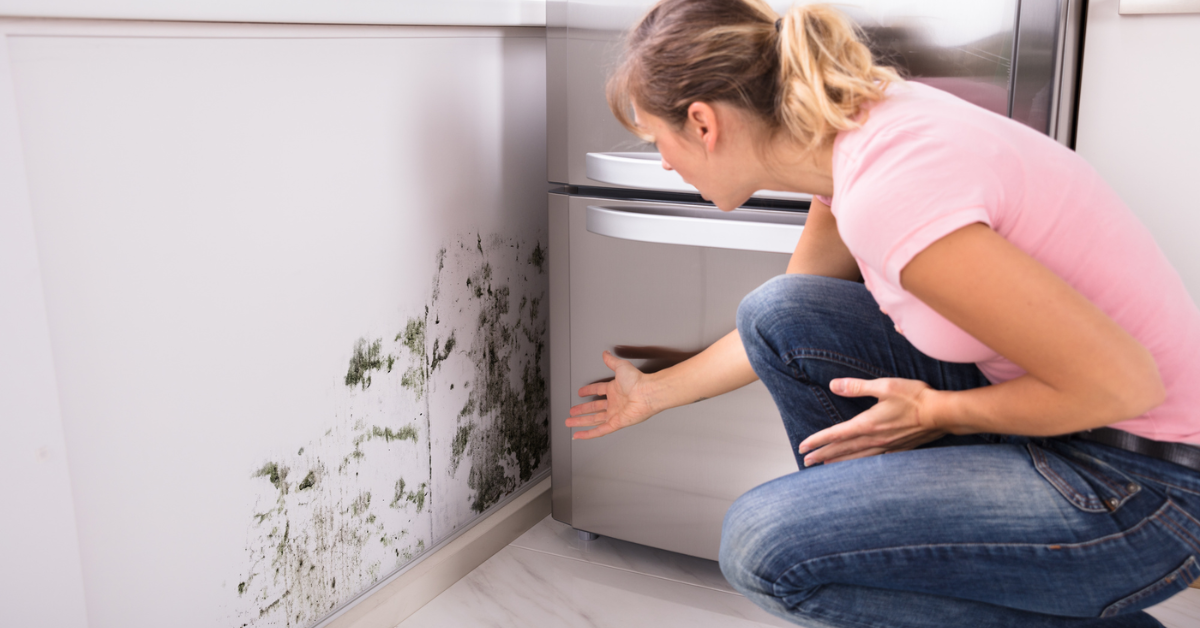
Unwanted dampness inside a building is one of the most subtle yet destructive forces a property owner can face. While access to clean water is essential for daily living, excess moisture trapped within walls, attics, and crawl spaces can compromise structural materials, degrade indoor air quality, and foster costly mold growth. Recognizing the primary causes of residential moisture and implementing proactive preventive measures is essential to maintaining a safe, stable home environment.
1. Attic Condensation and Inadequate Airflow
Attics are particularly susceptible to hidden moisture accumulation. During colder months, warm, humid air generated by household activities—such as cooking, showering, and heating—naturally rises into unconditioned roof spaces. When this warm air meets cold roof rafters and decking, condensation forms on wood surfaces. Over time, persistent condensation dampens insulation, weakens wooden roof support beams, and creates an optimal environment for mold colonies to thrive.
Preventing attic moisture requires a dual approach: balanced ventilation and thermal management. Ensuring that intake soffit vents and exhaust ridge vents remain clear allows moist air to circulate out of the home before condensing. Furthermore, sealing air leaks around ceiling fixtures and upgrading thermal barriers helps keep conditioned indoor air where it belongs. If your home exhibits uneven heating or signs of dampness near the roofline, consulting specialists for insulation services in Provo can help establish a proper vapor barrier and maintain ideal attic temperatures year-round.
2. Basement and Crawl Space Water Intrusion
Basements and crawl spaces are inherently vulnerable to dampness due to their direct contact with surrounding soil. Rainwater runoff, melting snow, or poor site drainage can direct significant volumes of groundwater toward foundation walls. Clay-heavy soils exacerbate this condition by absorbing and retaining moisture, creating hydrostatic pressure that pushes water through porous concrete and foundation cracks.
To minimize water seepage in subterranean spaces, inspect the landscaping around your home’s exterior. The surrounding soil should always be graded to slope downward and away from the foundation footings. For crawl spaces with dirt floors, installing continuous vapor barriers blocks ground moisture from evaporating upward into floor joists. In naturally high-water table zones, deploying a sump pump system provides vital protection against localized flooding.
3. Excessive Interior Humidity and Hidden Leaks
Living habits contribute significantly to indoor humidity levels. Cooking, drying clothes indoors, and taking hot showers without exhaust fans trap moisture vapor inside the home. Additionally, pinhole plumbing leaks beneath sinks or within wall cavities often go unnoticed for weeks, quietly saturating drywall and flooring.
Maintaining balanced indoor air is crucial for moisture control. Homeowners should aim to keep indoor relative humidity strictly between 30% and 50%. Utilize dehumidifiers in naturally damp zones like basements, and always operate bathroom and kitchen exhaust fans during and immediately after steam-generating activities. Routinely inspect exposed plumbing lines, water heaters, and appliance supply hoses to catch minor leaks before extensive water damage occurs.
4. Roof Failures and Clogged Drainage Systems
A home’s exterior shell serves as its main line of defense against environmental moisture. Damaged roof shingles, cracked flashing around chimneys, and deteriorated seals allow rainwater to seep directly into ceiling structures. Similarly, clogged rain gutters cause water to overflow and pool around the foundation rather than draining safely away.
Establish a routine schedule to clean gutters and downspouts at least twice annually, ensuring downspout extensions discharge water several feet away from foundation walls. Visual inspections of the roof after severe wind or hail storms allow you to identify and repair compromised shingles promptly.
Taking Action Against Moisture
Addressing home moisture requires consistent upkeep, adequate ventilation, and prompt repairs. Because mold can germinate on damp organic materials within 24 to 48 hours, taking swift action when water intrusion occurs is vital. By routinely monitoring vulnerable spaces, sealing exterior gaps, and maintaining appropriate humidity controls, you can protect both your physical structure and your long-term property value.
Stay in touch to get more updates & alerts on TubeGalore! Thank you