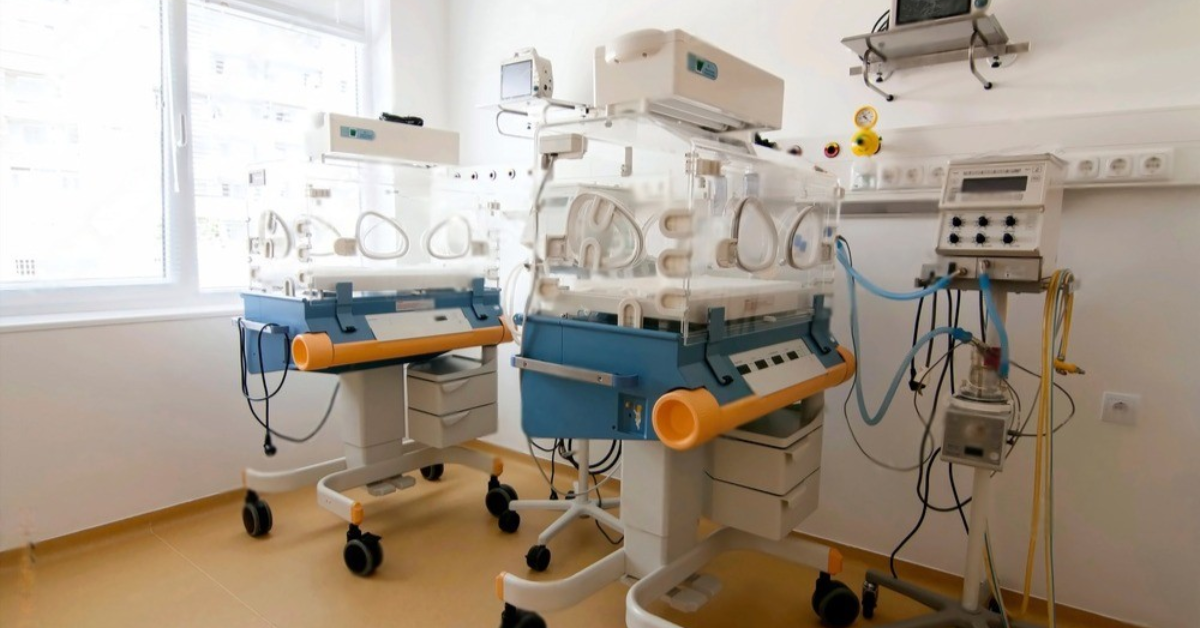
In modern healthcare, diagnostic equipment serves as the primary line of defense against disease and chronic illness. These sophisticated tools enable clinicians to evaluate biological functions, detect hidden health conditions non-invasively, and create targeted treatment strategies. Without accurate diagnostic technologies, managing medical emergencies and tracking long-term patient health would lack the precision required for positive patient outcomes.
From hospital radiology wings to localized laboratories and bedside testing, diagnostic machinery spans several specialized categories. Here is a breakdown of ten key types of diagnostic equipment driving clinical care today.
Medical Imaging Systems
Medical imaging systems allow healthcare professionals to look inside the human body non-invasively, assessing structural integrity and soft tissue health.
- X-Ray Machines: Utilizing controlled electromagnetic radiation, X-rays offer quick visual representations of bone structures and lungs. They are primarily used in clinical settings to detect fractures, evaluate joint dislocations, and identify fluid or infections like pneumonia.
- Computed Tomography (CT) Scanners: By combining multiple X-ray measurements taken from various angles, CT scanners generate detailed cross-sectional views of internal organs, blood vessels, and soft tissues. They are vital in emergency situations for detecting internal bleeding, complex tumors, and trauma-induced organ damage.
- Magnetic Resonance Imaging (MRI) Machines: Utilizing powerful magnetic fields and radio waves, MRI scanners produce exceptionally detailed high-resolution images of soft tissues without exposing patients to radiation. They serve as the gold standard for evaluating the brain, spinal cord, muscles, and ligaments.
- Ultrasound Systems: Operating via high-frequency sound waves, ultrasound devices capture real-time moving images. Beyond fetal monitoring during pregnancy, clinicians rely on ultrasounds to evaluate heart valves, abdominal organs, and blood flow through major vessels.
Laboratory Diagnostic Devices
Laboratory instruments analyze biological fluids and tissue samples to detect molecular, chemical, and cellular shifts.
- Automated Blood Analyzers: These specialized machines rapidly perform complete blood counts, measure hemoglobin levels, and identify critical biomarkers. They help clinicians identify systemic infections, evaluate metabolic function, and diagnose conditions like anemia and diabetes.
- Urine Analyzers: Crucial for routine checkups and emergency diagnostics, urine analyzers test for key parameters such as pH, glucose, protein, and cellular debris. These metrics assist in detecting urinary tract infections, metabolic disorders, and early signs of kidney malfunction.
Cardiovascular Monitors
Cardiovascular equipment tracks electrical and structural heart performance to manage cardiac risks and prevent severe cardiovascular events.
- Electrocardiograms (ECG/EKG): ECG devices record the electrical activity of the heart over a set timeframe. They are indispensable tools for diagnosing arrhythmias, confirming active heart attacks, and monitoring overall cardiac stability.
- Echocardiograms: Combining ultrasound technology with specialized cardiac imaging software, echocardiograms provide real-time visual assessment of heart chambers, muscle walls, and valve function to diagnose heart failure or structural defects.
Point-of-Care Diagnostic Tools
Point-of-care instruments deliver immediate diagnostic results directly at the patient’s bedside, in outpatient clinics, or at home.
- Blood Glucose Meters: Essential for diabetes management, these compact tools allow patients and providers to measure blood sugar concentrations in seconds, supporting timely dietary or insulin adjustments.
- Pulse Oximeters: By measuring light absorption through peripheral tissues, pulse oximeters quickly determine blood oxygen saturation levels and pulse rates, offering instant insight into respiratory health.
Manufacturing and Engineering Precision
The operational precision of medical diagnostic equipment depends heavily on robust engineering, durable housing, and flawless internal assembly. Diagnostic systems must comply with rigorous international quality standards, such as ISO 13485, to prevent software or hardware failures in high-stress environments.
To build complex diagnostic consoles, blood analyzers, and imaging controls, equipment manufacturers frequently rely on turnkey box build assembly services to integrate intricate printed circuit board assemblies (PCBAs), cabling, and custom enclosures into fully functional, reliable medical hardware.
Conclusion
Whether performing rapid blood testing at the bedside or executing high-resolution full-body scans in radiology, diagnostic equipment is central to modern clinical decision-making. As technological integration continues to advance—bringing artificial intelligence and portable innovations to healthcare—these vital instruments will remain key to protecting human life and enabling early intervention.
Stay in touch to get more updates & alerts on TubeGalore! Thank you