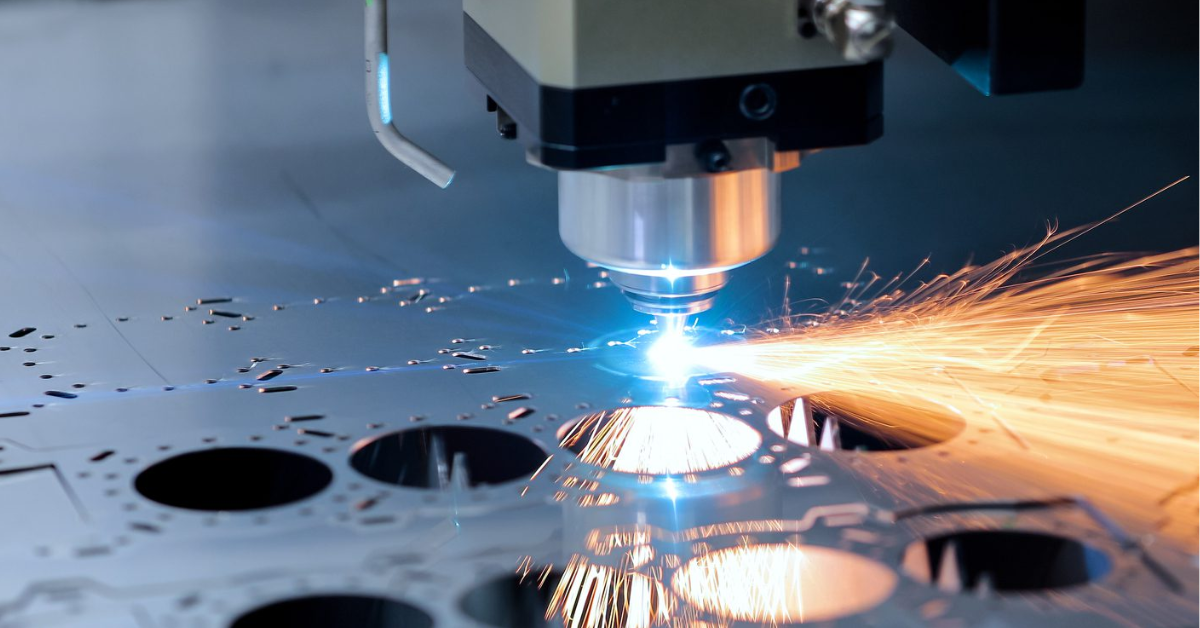
Precision engineering has become a fundamental part of modern industry, where accuracy, reliability, and efficiency directly influence production outcomes. From advanced manufacturing to medical equipment and aerospace systems, businesses increasingly depend on components made to exact specifications. Precision engineering combines specialized knowledge, advanced machinery, careful measurement, and rigorous quality control to produce parts that meet demanding performance requirements.
Understanding Precision Engineering
Precision engineering is the design and manufacture of components, systems, and products according to highly specific dimensional and performance requirements. Unlike conventional manufacturing, where broader tolerances may be acceptable, precision engineering focuses on minimizing variation and achieving consistent results.
The discipline brings together mechanical design, material science, manufacturing technology, metrology, automation, and quality assurance. Engineers must consider everything from material properties and component geometry to environmental conditions and assembly requirements. Even extremely small deviations can affect how a component performs, particularly when multiple parts must work together as a complete system.
Precision engineering is used across numerous industries because modern products are becoming increasingly sophisticated. As components become smaller, lighter, and more complex, manufacturers need processes capable of producing reliable results with exceptional repeatability.
The Importance of Tight Tolerances
Tolerances define the acceptable range of variation for a component’s dimensions or characteristics. Maintaining appropriate tolerances ensures that parts fit together correctly and perform as intended.
In applications involving moving parts, for example, excessive variation can increase friction, vibration, or wear. In other applications, inaccurate dimensions can compromise assembly or reduce the lifespan of an entire product. Precision engineering therefore helps manufacturers control these variables before they become costly production or performance problems.
Improving Manufacturing Accuracy and Consistency
One of the most important benefits of precision engineering is its ability to improve manufacturing accuracy. Advanced production equipment can follow highly detailed specifications and reproduce complex geometries with remarkable consistency.
Computer-controlled equipment, automated inspection systems, and sophisticated measurement tools allow manufacturers to reduce dependence on manual processes that may introduce variation. This is particularly valuable when producing large quantities of identical components because consistency must be maintained from the first part to the last.
Precision engineering also supports repeatability. Once a production process has been carefully designed and validated, manufacturers can reproduce components according to established specifications while maintaining predictable quality. This consistency helps businesses meet customer requirements and maintain dependable production schedules.
Reducing Human Error
Human expertise remains essential to modern manufacturing, but precision technologies can reduce the risk of errors during repetitive or highly technical operations. Automated systems can perform specific tasks according to programmed parameters, reducing inconsistencies caused by fatigue, measurement mistakes, or repetitive manual work.
Engineers and technicians can then focus their attention on areas requiring judgment, such as process optimization, quality analysis, equipment maintenance, and product development. The combination of skilled professionals and advanced technology creates a more controlled manufacturing environment.
Enhancing Product Quality and Reliability
Product quality depends heavily on the quality and consistency of its individual components. A small manufacturing defect may have limited consequences in one application but create significant problems in another. Precision engineering provides manufacturers with methods for controlling component quality throughout the production process.
Quality assurance begins during the design stage. Engineers evaluate how a component will be manufactured, assembled, operated, and maintained. They can identify potential weaknesses and determine appropriate materials, dimensions, tolerances, and production methods before manufacturing begins.
During production, inspection and measurement processes verify whether components meet the established requirements. This proactive approach makes it possible to identify deviations early rather than discovering them after final assembly or product delivery.
Supporting Long-Term Reliability
Reliable components are essential for industries where equipment failure can cause significant financial or operational consequences. Precision engineering helps improve reliability by ensuring that components are produced consistently and designed to withstand their intended operating conditions.
Accurate components can also reduce unnecessary stress within mechanical systems. When parts fit correctly and operate within their specified parameters, there may be less friction, vibration, and premature wear. Over time, these improvements can contribute to longer service life and more predictable maintenance requirements.
Driving Innovation Across Modern Industries
Precision engineering does more than improve existing manufacturing processes. It also enables businesses to develop products that would be difficult or impossible to produce using conventional methods.
Modern industries increasingly demand components with intricate geometries, miniature dimensions, lightweight structures, and specialized performance characteristics. Precision manufacturing techniques allow engineers to translate complex digital designs into physical components with a high degree of accuracy.
Industries such as aerospace, automotive manufacturing, medical technology, electronics, energy, and industrial equipment all benefit from these capabilities. Each sector has different requirements, but they share a common need for dependable components that perform consistently under specific conditions.
Supporting Complex Product Designs
As product designs become more sophisticated, manufacturing processes must keep pace. Engineers may need to produce components with curved surfaces, narrow channels, intricate cavities, or extremely precise mating features.
Modern CNC machining services, for example, can support the production of complex components based on detailed digital designs. These capabilities can help manufacturers achieve intricate geometries while maintaining controlled dimensions and repeatable production results.
The ability to manufacture complex components also gives designers greater freedom. Instead of limiting a product to what traditional manufacturing methods can easily produce, engineers can explore new configurations that improve functionality, reduce weight, or optimize performance.
Increasing Production Efficiency
Precision engineering can contribute significantly to manufacturing efficiency. Accurate processes reduce the likelihood of producing defective components, which can lower material waste and minimize the time spent on rework.
Efficient production is particularly important when working with expensive materials or components that require multiple manufacturing stages. A defect discovered late in the process can result in the loss of labor, materials, machine time, and other resources already invested in the component.
By incorporating precision measurement and quality checks throughout production, manufacturers can detect problems earlier. Early detection makes corrective action faster and often less expensive.
Optimizing Material Use
Precision manufacturing can also help businesses use materials more efficiently. Accurate cutting, shaping, and machining processes can minimize unnecessary material removal and reduce scrap.
Material efficiency is increasingly important as manufacturers look for ways to control costs and improve environmental performance. Using only the necessary amount of material can reduce waste while supporting more efficient resource management.
Engineers can further improve efficiency by selecting appropriate materials and production methods during the design stage. A component that is easier to manufacture may require fewer processing steps, less energy, or fewer resources while still meeting its performance requirements.
Strengthening Quality Control and Measurement
Precision engineering depends on accurate measurement. Manufacturers need reliable ways to determine whether components match their intended specifications, and modern metrology provides the tools and methods required to accomplish this.
Measurement systems can evaluate dimensions, surface characteristics, alignment, geometry, and other critical properties. Depending on the application, inspection may take place during production or after a component has been completed.
Consistent measurement also creates valuable production data. Manufacturers can analyze inspection results to identify trends, detect recurring deviations, and determine whether equipment or processes require adjustment.
The Role of Process Monitoring
Quality control is most effective when it is integrated into the manufacturing process rather than treated as a final inspection step. Continuous or periodic monitoring can provide earlier indications that a process is moving outside acceptable parameters.
For example, gradual tool wear, equipment movement, temperature changes, or material variation can influence manufacturing accuracy. Monitoring these factors allows manufacturers to make adjustments before a large quantity of nonconforming components is produced.
This approach supports a culture of continuous improvement. Instead of simply identifying defective parts, manufacturers can investigate why deviations occurred and modify the process to prevent them from recurring.
Preparing Industry for the Future
The role of precision engineering will continue to expand as industries pursue greater automation, miniaturization, efficiency, and product performance. Manufacturing environments are becoming increasingly data-driven, allowing engineers to combine digital design, automated production, measurement systems, and analytical tools.
These developments can create more connected production processes in which information moves between design, manufacturing, inspection, and maintenance activities. Such integration can improve decision-making and help manufacturers respond more quickly to changing production requirements.
Future manufacturing will also place greater emphasis on flexibility. Businesses need to produce customized or highly specialized components without sacrificing quality or efficiency. Precision engineering provides a foundation for this flexibility because advanced manufacturing technologies can accommodate complex designs while maintaining controlled production standards.
Building Competitive Advantage
Companies that invest in precision engineering can strengthen their ability to deliver reliable products, respond to demanding specifications, and improve manufacturing efficiency. These advantages can be especially important in industries where customers expect consistent quality and strict technical compliance.
Precision engineering can also encourage innovation. When manufacturers have the capabilities to produce complex components accurately and repeatedly, engineers gain more opportunities to experiment with new designs, materials, and product concepts.
Ultimately, precision engineering is not simply about making smaller or more accurate parts. It is about creating dependable manufacturing systems that support quality, productivity, innovation, and long-term industrial performance.
Conclusion
Precision engineering plays a vital role in modern industry by improving accuracy, consistency, reliability, and production efficiency. Its applications extend from complex industrial components to advanced equipment used in demanding sectors. As technology and product requirements continue to evolve, precision manufacturing will remain essential for turning sophisticated designs into dependable real-world solutions while supporting innovation and sustainable growth.
Stay in touch to get more updates & alerts on TubeGalore! Thank you