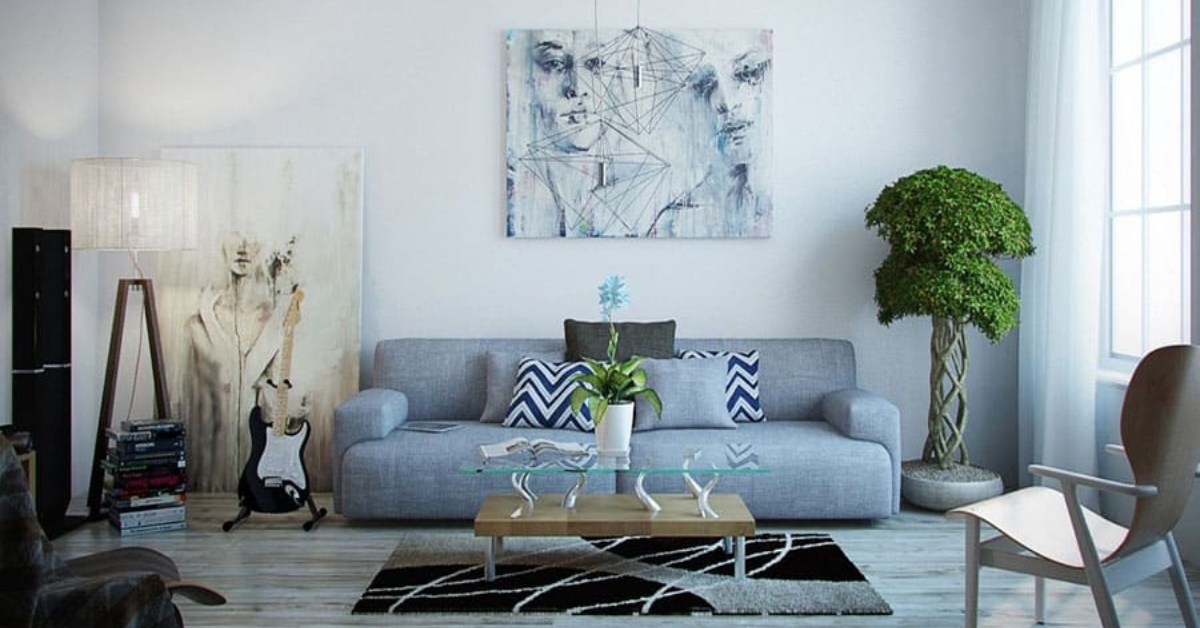
Your home should tell the story of who you are, and your hobbies can play a major role in creating that story. Whether you love painting, reading, collecting, crafting, music, or travel, your interests can become meaningful design elements. With thoughtful placement and a little creativity, you can showcase what you love while keeping your home stylish, organized, and inviting.
Create a Dedicated Display Area
One of the easiest ways to incorporate a hobby into your décor is by creating a dedicated display area. Instead of scattering your favorite items throughout the house, choose one location where they can become a deliberate part of the room’s design. A shelf, console table, bookcase, wall, or display cabinet can provide an attractive setting for collections and treasured objects.
Consider the size, color, and shape of your hobby-related items when planning the display. Grouping objects with similar colors can create a cohesive appearance, while contrasting shapes can add visual interest. You do not need to display everything you own. Selecting a few meaningful pieces can make the arrangement feel intentional rather than cluttered.
Lighting can also make a significant difference. A well-positioned lamp or adjustable ceiling light can draw attention to a collection without overwhelming the surrounding décor. For smaller objects, shelves at different heights can create dimension and make the display easier to appreciate.
Turn Collections Into Decorative Features
Collections can easily become part of your interior design when they are displayed with purpose. Books, figurines, pottery, postcards, sports memorabilia, cameras, artwork, and other collectibles can add personality while filling otherwise unused spaces.
Rather than placing every item together, think about how your collection interacts with the rest of the room. A collection of books can provide color and texture on an open shelf, while decorative objects can be arranged between books to break up large blocks of similar shapes. If you collect small pieces, consider using a glass-front cabinet or shadow box to keep them protected and visible.
For larger collections, rotating your display can keep your décor feeling fresh. Store some pieces safely and switch them with displayed items every few months. This approach gives you an opportunity to enjoy your entire collection without making your room feel overcrowded.
Use Height and Grouping
Varying the height of objects is a simple way to make a display more visually appealing. Place taller pieces behind shorter ones and leave enough space between groups to prevent the arrangement from looking cramped.
You can also organize items according to a theme, color, material, or era. A consistent organizing principle gives even an eclectic collection a sense of structure.
Transform Your Hobby Into Wall Décor
Walls offer plenty of opportunities to express your interests without taking up valuable floor space. If photography is your passion, enlarge and frame some of your favorite photographs. If you enjoy painting or drawing, dedicate a wall to your own work. Even hobby-related equipment can sometimes become an attractive decorative feature when arranged thoughtfully.
For creative hobbies, consider creating a gallery wall that combines different sizes and styles of artwork. Leave consistent spacing between frames to create a polished appearance, or use a more relaxed arrangement for an informal, personal feel. You can also mix personal creations with photographs, prints, or other decorative pieces that complement your interests.
Those who enjoy model building can turn finished projects into focal points. For example, wooden airplane models can be displayed on floating shelves, inside glass cabinets, or on a dedicated console where their craftsmanship can be appreciated. Choose a location away from heavy traffic and direct sunlight when the materials are sensitive to dust or prolonged exposure.
Make the Display Part of the Room
Your hobby display does not have to stand apart from your existing décor. Look for ways to connect it with the room’s color palette, furniture, and materials. A wooden display can complement natural textures, while colorful artwork can introduce an accent color to a neutral space.
The goal is to make your hobby feel like a natural extension of the room rather than an afterthought. Repeating a color or material elsewhere in the space can help create that connection.
Design a Functional Hobby Corner
If your hobby involves regular hands-on activity, consider creating a dedicated workspace. A compact corner can become a practical and attractive part of your home with the right organization.
Start with a surface that provides enough room for the activities you enjoy. A desk, worktable, or sturdy counter can serve as the foundation. Add storage nearby so frequently used materials remain accessible without covering the entire workspace.
Good organization is especially important in a hobby area. Use drawers, containers, shelves, or labeled compartments to keep supplies sorted. Keeping similar materials together makes it easier to find what you need and makes cleaning up less time-consuming.
Balance Function and Style
A hobby workspace can be practical without looking purely utilitarian. Choose furniture and storage solutions that complement the rest of your interior. Coordinated containers, attractive baskets, and neatly arranged supplies can turn everyday equipment into part of the décor.
If the workspace is located in a shared room, consider ways to conceal it when it is not being used. A cabinet with doors, storage ottoman, folding table, or curtain can help maintain a tidy appearance while allowing you to return to your hobby whenever inspiration strikes.
Let Your Hobbies Influence Color and Texture
Your interests can inspire more than displays. They can also influence the colors, materials, patterns, and textures used throughout your home.
A gardening enthusiast might draw inspiration from earthy greens, natural wood, woven materials, and botanical patterns. Someone who enjoys coastal activities could incorporate soft blues, sandy neutrals, and textured fabrics. A person passionate about crafts might prefer layered textiles, handmade accents, and varied patterns.
You do not need to redesign an entire room around a hobby. Small changes can communicate your interests just as effectively. A colorful cushion, textured throw, framed print, decorative object, or accent wall can introduce a theme without dominating the space.
Create a Consistent Visual Story
When incorporating hobby-inspired elements, aim for balance. Too many unrelated colors or decorative objects can make a room feel busy. Instead, choose two or three visual characteristics associated with your hobby and repeat them subtly.
For example, if your collection features natural materials, echo those materials through furniture or accessories. If your hobby involves bright colors, select one accent shade and use it in several places around the room.
Showcase Handmade and Personal Pieces
One of the most meaningful ways to incorporate a hobby into home décor is to display things you have created yourself. Handmade pieces add character because they reflect your time, creativity, and personal experiences.
Whether you sew, paint, sculpt, build, knit, photograph, or create other forms of art, finished projects can become distinctive decorative accents. Consider framing smaller creations, placing three-dimensional pieces on shelves, or giving larger works a prominent position in a living area.
Displaying your own work can also make your home feel more personal than decorating entirely with mass-produced accessories. Imperfections can be part of the charm. A handmade object does not have to look professionally manufactured to deserve a place in your home.
Rotate Your Favorite Creations
You can keep your décor dynamic by rotating handmade pieces throughout the year. Display seasonal creations when appropriate, or switch pieces whenever you complete something new.
This also gives you a practical reason to store finished projects carefully. Use protective boxes, archival materials, or suitable covers when necessary, particularly for delicate crafts and artwork.
Incorporate Hobby-Inspired Furniture and Accessories
Sometimes the best way to reflect a hobby is through furniture and accessories that support the activities you enjoy. A comfortable reading chair can create an inviting literary corner, while a sturdy worktable can make crafting more enjoyable. Musical interests might inspire an instrument stand that doubles as a decorative feature when the instrument is not being played.
Think about how your hobby affects the way you use a room. If you enjoy reading, prioritize comfortable seating and accessible book storage. If you enjoy puzzles or board games, a spacious table and organized storage can make entertaining easier. If you practice an artistic hobby, ensure that your workspace has adequate lighting and enough room to work comfortably.
The most successful hobby-inspired interiors combine appearance with usability. Your décor should not simply show what you enjoy; it should make it easier and more enjoyable to pursue those interests.
Keep Your Décor Organized and Intentional
While hobbies can bring personality to your home, collections and supplies can quickly become overwhelming if they are not managed carefully. Establish a simple system for deciding what stays on display, what belongs in storage, and what can be donated or passed along.
Before adding another decorative item, consider whether it contributes something meaningful to the space. If an object is important to you, find a place where it can be appreciated. If you have many similar items, select a few favorites for display and safely store the rest.
Leave breathing room around displays and avoid filling every available surface. Negative space helps individual pieces stand out and prevents your hobby from competing with other elements in the room.
Ultimately, incorporating hobbies into home décor is about finding the right balance between personal expression and thoughtful design. Your interests should feel visible without making your home feel crowded.
Conclusion
Incorporating your hobbies into home décor is a simple way to create a space that feels personal, comfortable, and authentic. From dedicated display areas and gallery walls to functional workspaces and handmade accents, there are countless ways to showcase what you love. Choose meaningful pieces, keep displays organized, and let your interests complement your existing style for a home that truly feels like yours.
Stay in touch to get more updates & alerts on TubeGalore! Thank you