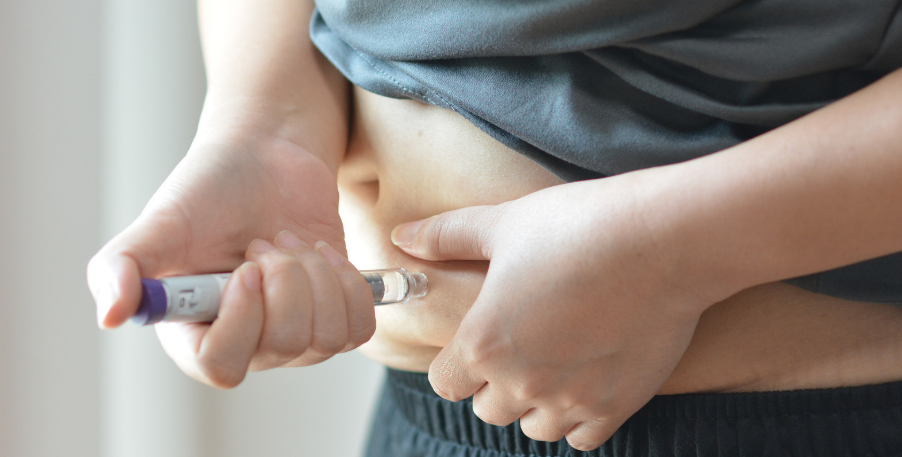
If you are asking, “is GLP-1 safe for weight loss?” you are probably looking beyond the promises of fast results and trying to understand what these medications actually mean for your health. GLP-1 medications have become an important option for eligible people managing obesity or overweight, but safety depends on the specific medication, your health history, the prescribed dose, and ongoing medical supervision.
GLP-1 medications can support weight loss by influencing appetite, fullness, and food intake. However, they can also cause side effects and may not be appropriate for everyone. Understanding both the potential benefits and risks can help you make a more informed decision.
FitRx provides virtual healthcare and weight-management support for eligible patients who want professional guidance when considering GLP-1 treatment. With appropriate evaluation and monitoring, GLP-1 therapy can be incorporated into a structured weight-management plan.
Is GLP-1 Safe for Weight Loss?
For eligible patients, FDA-approved GLP-1 and related medications can be safe and effective when prescribed and used according to their approved instructions. However, “safe” does not mean risk-free.
Medications used for weight management include semaglutide and tirzepatide, among others. They have undergone clinical testing and regulatory review for their approved uses. The safety profile varies between medications, so you should not assume that every GLP-1 medication has identical benefits, risks, or dosing instructions.
GLP-1 weight loss safety also depends on factors such as your medical history, other medications, current health conditions, and how your body responds to treatment.
That is why professional evaluation is important before starting treatment. A healthcare professional can determine whether a particular medication is appropriate and monitor your response as treatment progresses.
How Do GLP-1 Medications Support Weight Loss?
GLP-1 receptor agonists work on pathways involved in appetite and food intake. Semaglutide, for example, mimics GLP-1 and can help reduce appetite while increasing feelings of fullness. Tirzepatide acts on both GIP and GLP-1 receptors.
These effects can make it easier for some people to consume fewer calories and follow a reduced-calorie eating pattern. Weight loss generally develops over time rather than immediately after the first dose.
GLP-1 medications are intended to complement lifestyle changes rather than replace them. Nutrition, physical activity, sleep, and sustainable eating habits remain important parts of long-term weight management.
FitRx offers virtual weight-management support for eligible patients who want professional guidance while incorporating medication and lifestyle strategies into their treatment plan.
What Are the Common GLP-1 Side Effects?
GLP-1 side effects are often related to the digestive system. Depending on the specific medication, common reactions can include nausea, vomiting, diarrhea, constipation, abdominal discomfort, and decreased appetite.
These symptoms may be more noticeable when treatment begins or after a dose increase. Gradual dose escalation is commonly used with weight-management medications to help the body adjust to treatment.
Not everyone experiences side effects in the same way. Some people may have mild symptoms that improve over time, while others may find certain effects more difficult to tolerate.
If side effects are persistent, severe, or interfering with your daily activities, speak with your healthcare professional. Do not change or discontinue your prescribed medication without professional guidance.
What Are the Serious Risks of GLP-1 Medications?
Although many people tolerate GLP-1 medications well, serious adverse effects can occur. The specific risks depend on the medication and individual health factors.
For example, prescribing information for semaglutide and tirzepatide includes warnings and precautions involving conditions such as pancreatitis, gallbladder disease, kidney injury related to dehydration, and severe gastrointestinal reactions.
Some medications also carry specific warnings related to thyroid C-cell tumors based on findings from animal studies. Wegovy and Zepbound are contraindicated in people with a personal or family history of medullary thyroid carcinoma or in people with Multiple Endocrine Neoplasia syndrome type 2.
These risks do not mean that treatment is unsafe for everyone. They demonstrate why individual screening and professional oversight are important before starting therapy.
Who Should Avoid GLP-1 Weight Loss Medications?
GLP-1 medications are not appropriate for everyone. Certain medical conditions or personal and family medical histories can make particular medications unsuitable.
For example, Wegovy and Zepbound carry contraindications for people with a personal or family history of medullary thyroid carcinoma or Multiple Endocrine Neoplasia syndrome type 2.
Other health factors may also require additional evaluation. Your healthcare professional should know about your current medications, previous medical conditions, allergies, and any relevant gastrointestinal, pancreatic, kidney, or gallbladder problems.
Pregnancy is another important consideration. Weight-loss medications are generally not intended for use during pregnancy, and the appropriate course of action should be discussed with a healthcare professional.
A proper evaluation helps determine whether the potential benefits of treatment outweigh the risks for your individual circumstances.
Are GLP-1 Medications Safe for Long-Term Weight Loss?
Long-term GLP-1 treatment may be appropriate for some patients because obesity is considered a chronic health condition that can require ongoing management. The appropriate duration depends on the medication, individual response, treatment goals, and healthcare professional’s assessment.
Clinical studies have evaluated some GLP-1 medications over extended periods, providing evidence about their effectiveness and safety during continued use.
However, long-term treatment still requires monitoring. Your healthcare professional may review weight changes, side effects, medication response, and other relevant health factors over time.
Stopping treatment can also lead to increased appetite and weight regain for some people. This is one reason long-term weight-management planning is important when considering GLP-1 therapy.
FitRx provides virtual healthcare and weight-management support for eligible patients who want continued professional guidance as their treatment progresses.
Does Increasing the GLP-1 Dose Increase the Risks?
Potentially. Some side effects may become more noticeable after increasing the dose, particularly gastrointestinal symptoms.
That is why medications such as semaglutide and tirzepatide generally use gradual dose-escalation schedules. The prescribing information for these medications provides specific intervals and dose limits rather than recommending rapid increases.
A higher dose is not automatically better for every person. Your healthcare professional may determine that a lower maintenance dose provides an appropriate balance between effectiveness and tolerability.
Never increase your dose simply because weight loss has slowed for a few days. Weight naturally fluctuates, and treatment decisions should be based on your longer-term response.
How Can You Use GLP-1 Medications More Safely?
Following the prescribed treatment plan is one of the most important parts of GLP-1 safety. Take your medication according to the instructions provided by your healthcare professional and do not increase the dose independently.
It is also important to stay aware of how your body responds to treatment. Keep track of significant side effects and discuss persistent symptoms with your healthcare professional.
Adequate hydration and balanced nutrition can also support your overall well-being during treatment. Because appetite may decrease, choosing nutrient-dense foods can help you meet your nutritional needs.
Avoid using someone else’s medication or obtaining prescription GLP-1 treatment from an unverified source. Prescription treatment should come from an appropriate healthcare provider and pharmacy.
What Should You Tell Your Healthcare Professional Before Starting GLP-1 Treatment?
Before starting a GLP-1 medication, provide your healthcare professional with accurate information about your health history and current medications.
Mention any previous reactions to medications, existing health conditions, allergies, and prescription or nonprescription medicines you currently take. Your healthcare professional may also need to know about relevant surgical history and previous weight-management treatments.
If you are already taking another medication that affects blood sugar or appetite, this information is particularly important because treatment combinations can require careful consideration.
Being open during the initial evaluation gives your healthcare professional the information needed to assess whether treatment is appropriate and how it should be monitored.
FitRx provides virtual healthcare for eligible patients who want professional guidance when discussing GLP-1 treatment options, eligibility, and weight-management goals.
Are GLP-1 Benefits Worth the Potential Risks?
For eligible patients, the potential benefits of GLP-1 treatment may outweigh the risks when treatment is appropriately prescribed and monitored. Clinical trials have demonstrated meaningful weight loss with several medications in this category.
Weight loss can also provide broader health benefits for people living with obesity or overweight-related health conditions. Reducing excess weight may improve certain metabolic and cardiovascular risk factors and make physical activity easier.
However, benefits should always be considered alongside potential side effects and individual health risks. A medication that is appropriate for one person may not be suitable for another. The right decision comes from an individualized assessment rather than comparing your experience with someone else’s results.
How Does FitRx Support GLP-1 Weight Loss Safety?
Understanding GLP-1 weight loss safety is easier when you have professional guidance throughout treatment. FitRx provides virtual healthcare and weight-management support for eligible patients who want convenient access to professional care.
Through virtual care, eligible patients can discuss their weight-management goals, health history, medication options, treatment response, and side effects with healthcare professionals. This can help ensure that treatment decisions are based on individual circumstances.
For eligible patients who want to lose pounds effectively with GLP-1 treatments and coaching by FitRx, virtual healthcare professionals can provide guidance on medication use, treatment progress, side-effect management, and long-term weight-management strategies.
Frequently Asked Questions About GLP-1 Safety
Is GLP-1 safe for weight loss?
FDA-approved GLP-1 and related medications can be safe and effective for eligible patients when prescribed appropriately and used according to their instructions. However, they can cause side effects and are not suitable for everyone.
What are the most common GLP-1 side effects?
Common side effects of GLP-1 can include nausea, vomiting, diarrhea, constipation, abdominal discomfort, and decreased appetite. The specific side effects and their frequency depend on the medication.
Are GLP-1 medications dangerous?
GLP-1 medications can have serious risks, but serious complications are not the experience of every patient. Appropriate screening, dosing, and medical monitoring can help identify potential problems.
Can anyone take GLP-1 medication for weight loss?
No. Eligibility depends on the specific medication and your individual health circumstances. Certain medical conditions and medical histories can make some GLP-1 medications inappropriate.
Is it safe to increase a GLP-1 dose quickly?
You should follow the prescribed dose-escalation schedule. Increasing the dose faster than recommended can increase the risk of side effects.
Are GLP-1 medications safe for long-term use?
Some GLP-1 medications have been studied for long-term use and may be appropriate for ongoing weight management in eligible patients. Continued treatment should involve periodic professional evaluation.
Can GLP-1 medications cause serious side effects?
Yes. Although uncommon, serious adverse reactions can occur. Prescribing information includes warnings involving conditions including pancreatitis, gallbladder problems, kidney injury related to dehydration, and severe gastrointestinal reactions.
Conclusion
So, is GLP-1 safe for weight loss? For eligible patients, FDA-approved GLP-1 and related medications can provide meaningful weight-management benefits when used appropriately under professional supervision. However, safety is individual, and these medications can cause both common and serious side effects.
Understanding GLP-1 safety means looking at the complete picture: your health history, medication, dose, treatment response, potential benefits, and possible risks. Following the prescribed dosage schedule and maintaining regular communication with your healthcare professional can help support safer treatment.
FitRx provides virtual healthcare and weight-management support for eligible patients who want professional guidance when considering or using GLP-1 medications. With individualized care and appropriate monitoring, GLP-1 treatment can become part of a structured approach to long-term weight management.