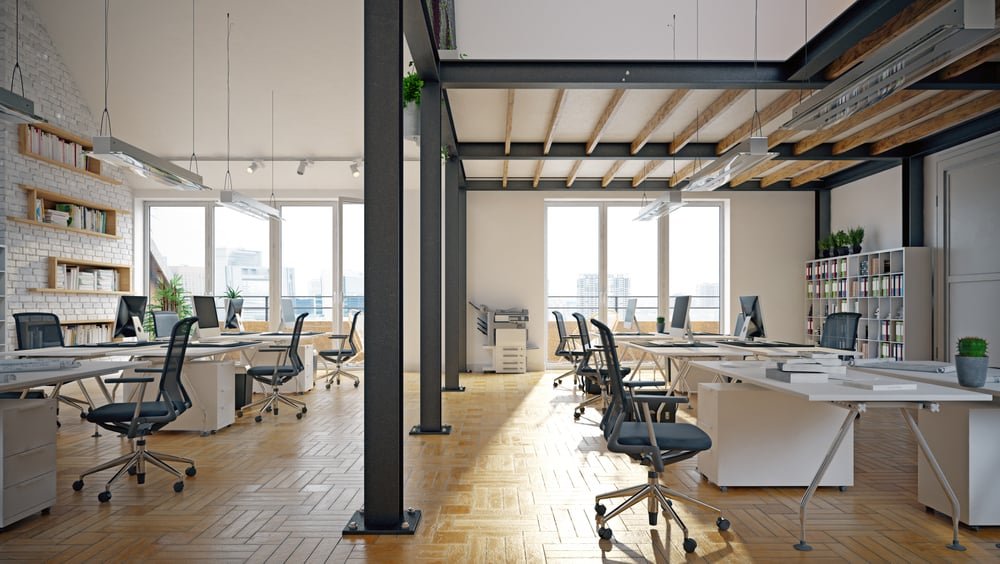
As work rapidly shifts, modern office design is at the forefront of supporting both individual and organizational success. In 2026, companies are emphasizing environments that foster engagement, well-being, and innovation. The integration of flexible floor plans, sustainable materials, and dedicated collaboration spaces signals a new era for the workplace. When planning your space, it’s essential to focus not only on aesthetics but also on functionality, comfort, and productivity. Choosing the right commercial interior design firm for your business can significantly impact the success of these initiatives and ensure your workspace supports the evolving demands of your team.
Productivity is not just about the physical environment. It is about how that environment influences social connection, health, and day-to-day experience. Office design trends for 2026 reflect growing awareness of the link between space and well-being, while also responding to business needs like agility and sustainability. A thoughtfully designed workspace provides a foundation for happy, motivated teams and lasting business advantages.
Biophilic Design and Natural Elements
Modern offices are increasingly integrating biophilic design, an approach that enhances connectivity to the natural environment. Incorporating natural light, live plant walls, and raw materials like wood and stone, biophilic design has been tied to improved concentration, reduced stress, and higher job satisfaction. According to experts cited by the General Services Administration, nature-inspired environments have a measurable positive impact on employee health and productivity. Companies are leveraging both indoor greenery and outdoor views to foster a calmer, more inspiring space. Learn more about biophilic design and its benefits.
Flexible and Modular Workspaces
With the rise of hybrid work and project-based teams, flexible design has become essential. Modular furniture and movable partitions allow spaces to be quickly reconfigured for meetings, private work, or creative sessions. This adaptability supports a broader range of working styles and ensures that offices can evolve as business needs change. Organizations are also embracing ‘activity-based working’ concepts, creating zones for focus, collaboration, and relaxation that cater to individual preferences and changing group dynamics.
Smart Technology Integration
The integration of smart technology is revolutionizing how employees interact with their workspace. Desk booking tools, occupancy sensors, and automated lighting systems provide both convenience and valuable data for optimizing office layouts. These tools help reduce operational costs by ensuring spaces are used efficiently and giving employees more control over their environments. The trend toward ‘smart offices’ not only streamlines facility management but also contributes to employee satisfaction. More on this can be found in the Seattle Times article on layered lighting for drama and functionality.
Community and Social Spaces
Creating a sense of community has become a priority in office design. Informal lounges, shared kitchens, and café-style areas encourage spontaneous conversations and foster a culture of collaboration. Such spaces support relationship-building, idea sharing, and creativity beyond traditional boundaries. Companies increasingly seek certifications like LEED and WELL. Spaces help employees feel more at ease and connected, thereby enhancing loyalty and engagement.
For more information on the value of community-driven office spaces, see this Forbes article.
Ergonomic and Active Furniture
Physical well-being is now central to workplace planning. Ergonomic desks, sit-stand workstations, and chairs designed for all body types help prevent repetitive strain injuries and fatigue. ‘Active’ furniture, such as balance stools and treadmill desks, is being introduced to encourage movement throughout the workday. By supporting healthier work habits, businesses can reduce absenteeism and increase employee longevity and satisfaction.
Sustainable and Circular Design
Sustainability is no longer optional; it is now a foundational value in commercial interiors. Offices are using recycled materials, choosing energy-efficient systems, and implementing design strategies that extend the life cycle of furniture and finishes. Circular design encourages the reuse, refurbishment, and recycling of materials to reduce environmental impact. Certifications like LEED and WELL are increasingly sought by companies to demonstrate their commitment to responsible building practices and employee wellness.
Lighting Considerations
Lighting is critical to mood, productivity, and comfort. Modern offices emphasize maximizing daylight and supplementing it with adjustable artificial light that can be tuned to activities or the time of day. Considering not only brightness but also color temperature, layered lighting solutions reduce eye strain and help maintain energy levels throughout the day. Research cited by the Seattle Times underscores the importance of well-designed lighting for overall productivity.
Mental Health Spaces
Recognizing the importance of mental health, today’s office designs incorporate quiet zones, relaxation rooms, and dedicated meditation areas. These calm, private spaces serve as a retreat from workplace stress and provide a reset during long days. Features often include soft furniture, soothing colors, and acoustic privacy solutions to ensure genuine respite for employees.
By investing in these modern design trends, companies can create a workspace that not only reflects their brand and culture but also actively improves the experience and performance of everyone who works there.
Stay in touch to get more updates & alerts on TubeGalore!