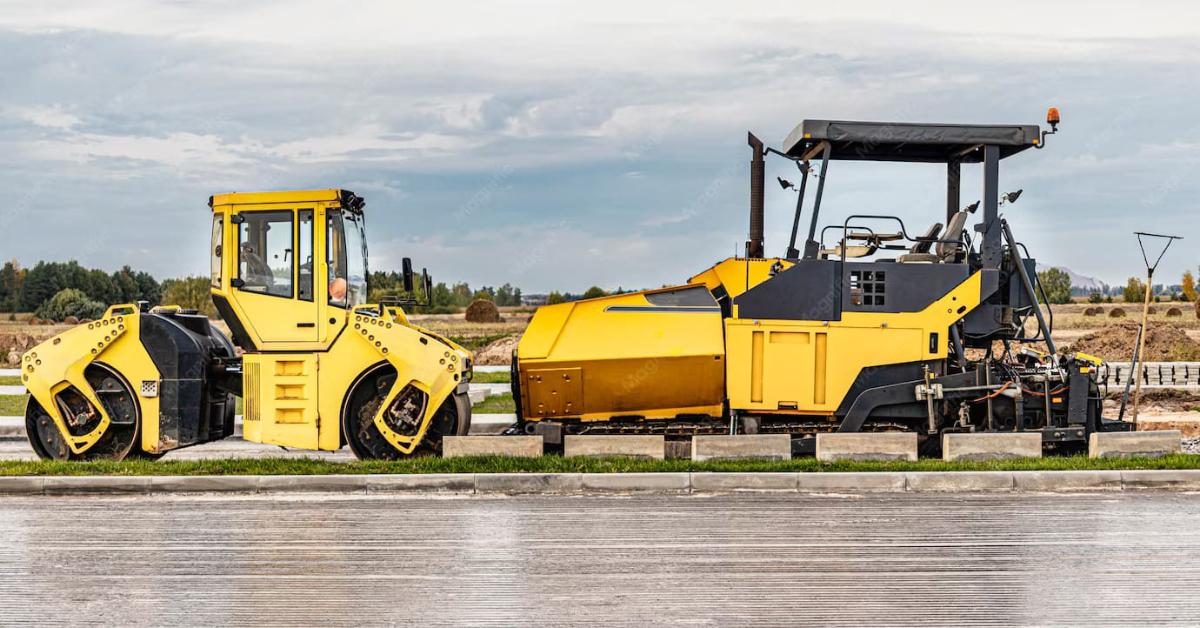
The construction of heavy-duty paved surfaces in the industrial, commercial and civic sectors requires expertise in the integration of several disciplines, including material science, structural engineering and site works. Paved surfaces are exposed to various forms of deterioration and failure including mechanical and thermal fatigue, environmental degradation, and movements of the subgrade soil. The use of professional asphalt concrete services offers the structural integrity required to provide the civil contractors and commercial developers durable and lasting access ways, car parks and hard stands.
The selection of engineering principles ensures durability and extended service life of new and resurfaced heavy-duty access ways and hard stands.
Structural Mechanics of Durable Pavements
The key to the design and construction of paved surfaces, which ensure adequate bearing strength, is the use of all the layers to absorb the stresses imposed by traffic and to control surface water runoff.
- Geotechnical Subgrade Evaluation and Base Preparation
The ultimate bearing strength of a paved surface is dependent on the subgrade soil on which it is constructed. Civil contractors evaluate the load-bearing capacity and moisture sensitivity of subgrades to establish the types and thicknesses of materials to be used. Where the subgrade fails to meet the desired stability and strength, it is excavated, and a base course is constructed using crushed aggregate and compacted to the required density. Compacted aggregate bases eliminate subgrade shifting and pre-mature failure.
- Asphalt Mix Selection and Thermal Management
Asphalt is a bonded mixture of graded mineral aggregates and liquid bitumen. For the long term performance of the pavement, it is essential to select the correct asphalt mix for the load profile of the site.
Dense-graded Asphalt (DGA): Used in high-traffic car parks, access roads, and pathways to provide a smooth, impervious and wearing course surface.
Heavy-Duty Industrial Mixes: Contains polymer modified bitumen and larger stone gradations to resist permanent deformation (rutting) under static loads of freight trucks and forklifts.
Temperature Controlled Laying: Asphalt is laid within a defined temperature window (130-160°C) and compacted to the target densities to drive out air voids. If air voids are not eliminated, water will penetrate asphalt and cause damage.
- Integrated Concrete Infrastructure and Kerbing
Concrete is rigid and unyielding, and is used to provide support where extreme localized loads are present. Kerbing and other reinforced concrete structures, in conjunction with an asphalt pavement, prevent lateral breakdown of the edges and define edges, and directs surface water to municipal drainage.
Key Operational Advantages of Professional Surface Contracting
Success in commercial civil works depends on strict adherence to safety in construction zones, council specs, and EPA guidelines. There are many significant operational benefits of working with an experienced surface contracting team.
Custom Engineering to Match Traffic Demands
Traffic at commercial sites is not like traffic at residential sites. The demands are often unknown. Custom engineering of a site’s pavement system is determined by expected axle loads and turn radii of the vehicles using the site to minimize the risks of structural failure.
Integrated Surface Drainage
Pavement pooling is a major cause of potholes and subgrade erosion. Professional contractors create engineered surface falls and integrate sub-surface drainage channels and kerb systems to redirect water runoff away from traffic areas to protect base and sub-base from moisture damage.
Sustainable Pavement Recycling
Sustainable construction practices are the focus of modern civil contracting. The use of warm-mix asphalt and low-impact construction practices helps lessen the impact on the environment and surrounding communities, as well as decrease the amount of disposed soils, while maintaining construction schedules.
Decades of Experience in the Industry
“Roadseal Civil” is a prime example of this level of experience. The company is owned and operated by industry professionals and offers a full range of asphalting, bitumen spray seal, and drainage solutions to the Melbourne area.
Maintaining Pavement Conditions
Surface defects become worse if ignored. Owners should implement the following pavement care practices to increase the service life of their pavements:
CRACK SEALING AND POTHOLE REPAIR
Seal fine surface cracks with hot-poured rubberized bitumen to prevent water from penetrating the sub-base and causing internal erosion.
ROUTINE SURFACE CLEANING
Petroleum, oil and grease, and organic material, when left on the roadway, can soften the bitumen binder and reduce the asphalt cohesion.
PERIODIC SURFACE RESURFACING (PROFILING AND OVERLAYS)
Cold-milling (profiling) the top wearing course, followed by the placement of a new asphalt concrete overlay, restores surface smoothness and removes signs of surface oxidation.
CONCLUSION
The use of high-quality asphalt concrete materials and the services of skilled professionals provides the foundation for long-term, safe, and pleasing aesthetics services to the community. Subgrade preparation, material choice, and the integration of drainage in the pavement system further extend the life of the pavement.
Stay in touch to get more updates & alerts on TubeGalore! Thank you


