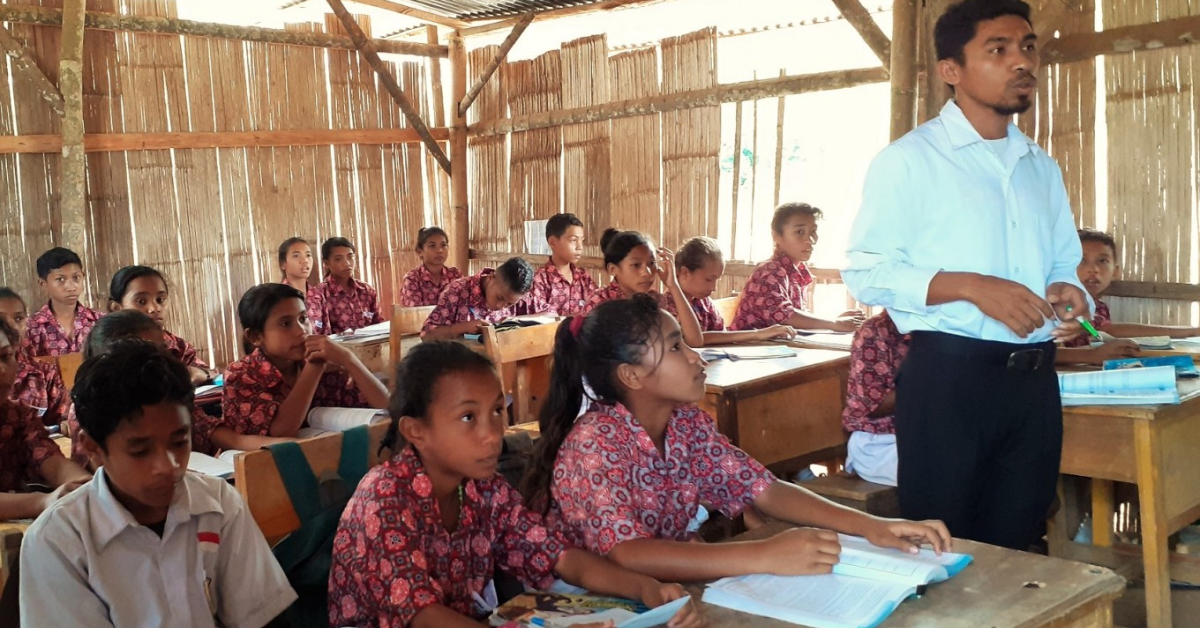
Choosing the right school for a child in a rural community requires balancing academic quality, physical logistics, community culture, and long-term opportunity. Unlike urban or suburban parents who often have dozens of local schooling options within a short drive, rural families face geographic constraints, limited district budgets, and extended bus rides.
Evaluating educational paths—whether local public district schools, regional charter options, or distance education—demands an honest assessment of what best supports your child’s academic growth and your family’s daily lifestyle.
1. Daily Commute Logistics and Travel Strain
Quick Answer: Long daily bus rides take a physical and academic toll on rural students. Parents should evaluate total transit time, winter weather safety, and whether transportation limits participation in after-school activities.
In low-density regions, school district boundaries often stretch across hundreds of square miles. A commute that looks reasonable on a map can translate into a 60- to 90-minute bus ride each way when accounting for rural bus routes and gravel roads.
When evaluating a physical school location, consider these practical daily impacts:
- Sleep and Routine: Early morning bus pickups (often before sunrise) can lead to chronic fatigue, impacting classroom focus.
- Extracurricular Conflicts: If the school does not offer late busing, participating in athletics, band, or tutoring requires parents to make extra round-trip drives.
- Seasonal Weather Delays: Rural mountain or dirt roads frequently experience unplowed snow, mud season hazards, or flash flooding that disrupt traditional schedules.
2. Academic Breadth: AP, STEM, and Elective Availability
Quick Answer: Small rural schools often excel at close-knit instruction but may lack specialized electives, Advanced Placement (AP) courses, or advanced laboratory facilities.
A primary challenge in small rural high schools is teacher recruitment. When a single building houses small graduating classes, funding a full slate of specialized electives or advanced AP courses becomes financially unfeasible for the district.
Evaluating specialized course accessibility in rural areas helps families determine if a school can support a student’s career aspirations. If your child dreams of studying engineering, computer science, or fine arts, check whether the local school offers advanced physics, coding, or foreign language tracks.
3. Flexibility for Family Schedules and Regional Life
Quick Answer: Flexible educational models allow students to complete rigorous coursework without sacrificing family commitments, regional work, or intense travel schedules.
Rural life often involves distinct seasonal demands, such as agricultural harvests, family business operations, or regional sports travel that requires driving long distances. Traditional brick-and-mortar attendance rules can create unnecessary friction when family obligations clash with rigid school calendars.
Exploring hybrid learning models for remote families provides the ideal balance between local involvement and academic variety. For instance, students in public high schools or homeschool settings can take supplemental online classes in Utah to access high-level electives, concurrent college enrollment, or specialized subjects that local rural facilities cannot staff. This blended approach keeps students connected to their local community while removing geographic barriers to top-tier coursework.
4. Extracurricular Access and Community Connection
Quick Answer: A school should provide meaningful social connections, athletics, and clubs without forcing families into unsustainable daily travel.
Extracurricular activities build character, teamwork, and college applications. In rural communities, the local school often serves as the cultural center of the town, hosting Friday night football games, 4-H activities, and community theater.
When choosing a school, examine the breadth of student life:
- Are athletic programs inclusive, giving every student a chance to participate?
- Does the school partner with local agricultural organizations, trade programs, or civic clubs?
- How does the school support students who pursue non-traditional hobbies or specialized arts outside the building?
5. Special Education and Support Staffing Depth
Quick Answer: Rural families with students needing specialized accommodations should confirm whether speech therapists, occupational counselors, and reading specialists are on-site daily or shared across multiple counties.
Comprehensive rural education evaluation criteria must account for specialized student support services. Small rural districts frequently struggle to hire full-time special education teachers, speech-language pathologists, or mental health counselors, often sharing itinerant staff among several regional schools.
If your child has an Individualized Education Program (IEP) or 504 Plan, ask potential schools:
- How many days per week are specialized therapists physically present in the building?
- What is the average student-to-counselor ratio for college and career planning?
- How does the school handle rapid intervention when a student falls behind in foundational reading or math?
6. Digital Infrastructure and Home Learning Readiness
Quick Answer: Virtual and blended learning options require reliable home internet, dedicated hardware, and offline contingency plans to ensure seamless learning.
Whether your child attends a local school that relies on digital homework portals or enrolls in online courses, home technological infrastructure is critical. Broadband availability varies significantly across rural regions.
Before committing to a tech-heavy educational option, complete a home technology checklist:
- Bandwidth Capacity: Test if your home connection can handle simultaneous video streaming and document uploads.
- Hardware Availability: Confirm whether the school provides 1-to-1 laptop devices or if families must supply their own equipment.
- Offline Backup: Identify local libraries or community centers with Wi-Fi access in case of winter power outages or network disruptions.
7. Myth vs. Fact: Evaluating Rural Education Options
- Myth: Attending a small rural school puts students at a permanent disadvantage for college admissions.
- Fact: College admissions officers review applications within context. Rural students who demonstrate leadership, high academic performance, and community involvement stand out positively in applicant pools.
- Myth: Online schooling means a child spends 8 hours a day isolated in front of a computer screen.
- Fact: Modern online and blended learning models emphasize flexible pacing, allowing students to complete assignments efficiently so they have more time for hands-on activities, outdoor sports, and family projects.
Frequently Asked Questions
Can rural high school students take college credit courses before graduation?
Yes. Many rural students utilize state-sponsored distance education programs, dual-enrollment partnerships, and online concurrent enrollment courses through local universities to earn tuition-free college credits while still in high school.
How do I know if a hybrid or online learning model is right for my rural student?
Look for self-motivation, basic time-management skills, and independent reading comprehension. Students who feel bored by traditional pacing or frustrated by long daily commutes often thrive in flexible, self-paced learning environments.
Selecting the best school for your child in a rural community comes down to aligning their unique learning needs with your family’s daily reality. By evaluating daily travel strain, course availability, specialized support services, and flexible online opportunities, you build an educational roadmap that overcomes geographic limits. When families combine local community roots with adaptable learning options, rural students gain the tools, confidence, and academic foundation needed to achieve their highest goals.
Stay in touch to get more updates & alerts on TubeGalore! Thank you