A statement wall transforms an ordinary room into an extraordinary living space. By focusing visual interest on a single surface, you establish a clear focal point that grounds the entire design scheme. Homeowners looking to refresh their interiors often weigh three primary options: paint, wallpaper, and wood paneling. Each material brings distinct aesthetic benefits, maintenance needs, installation challenges, and financial considerations. Understanding how these choices perform across different environments helps you select the perfect surface treatment for your property.
Evaluating Paint for Versatility and Efficiency
Paint remains the most popular choice for accent surfaces due to its accessibility, budget-friendliness, and unlimited color palette. Applying a bold hue or a unique artistic design changes the mood of a room with minimal labor.
Cost and Accessibility Benefits
Selecting paint provides the fastest return on investment for DIY enthusiasts. Materials are affordable, widely available, and require basic preparation tools such as rollers, painter’s tape, and drop cloths. If your stylistic preferences evolve, repainting a single surface takes only a few hours. This makes paint an ideal choice for rental properties or homeowners who enjoy updating their decor frequently.
Design Options and Color Selection
Paint allows complete creative control over light absorption and spatial perception. Dark charcoal, deep emerald, or navy shades add dramatic depth, making distant surfaces recede. Vibrant tropical colors can replicate the sun-drenched feel of a classic Key West painting, bringing warmth and energy into quiet living rooms. Additionally, matte finishes hide minor drywall imperfections, while satin or semi-gloss finishes reflect light to brighten dim rooms.
Durability and Surface Maintenance
High-quality acrylic interior paints offer solid resistance against daily scuffs and fading. However, painted surfaces lack physical texture and can reveal underlying drywall flaws if proper sanding and priming are skipped. High-traffic areas like entryways or kids’ bedrooms may require periodic touch-ups to fix chipped or worn areas.
Exploring Wallpaper for Complex Patterns and Texture
Modern wallpaper technology has evolved far beyond traditional paste methods. Today’s options range from classic woven papers to temporary peel-and-stick vinyls that feature intricate patterns impossible to replicate with paint alone.
Pattern Density and Visual Impact
Wallpaper excels at introducing elaborate geometric motifs, botanical illustrations, and subtle surface textures like grasscloth or metallic foil. These patterns draw immediate attention, making wallpaper ideal for powder rooms, bedroom headboard backdrops, or dining niches. A patterned wall visually fills empty spaces, reducing the need for hanging heavy framed artwork or bulky mirrors.
Installation Challenges and Moisture Resistance
Applying traditional wallpaper demands careful alignment, pattern matching, and steady hands. Seams must fit precisely without overlapping or leaving gaps. In humid environments like full bathrooms or laundry rooms, moisture can weaken traditional water-based adhesives, causing edges to peel over time. Selecting water-resistant vinyl wallcoverings ensures long-term adhesion in high-humidity zones.
Removal and Long-Term Flexibility
Removable peel-and-stick options offer a hassle-free upgrade for temporary setups. Traditional pasted paper requires steaming, chemical strippers, or careful scraping to remove completely without damaging the underlying drywall. Consider how long you plan to keep the design before selecting permanent adhesive formulas.
Choosing Wood Panels for Texture and Architecture
Wood paneling brings three-dimensional structure, warmth, and organic elegance to interior spaces. From traditional wainscoting to modern vertical slats, wooden accent installations add physical depth that flat materials cannot match.
Architectural Warmth and Material Variety
Wood introduces natural grain patterns, earthy tones, and tactile warmth. Horizontal shiplap creates a rustic or coastal feel, while vertical slat walls project a clean, contemporary aesthetic. Board and batten layouts offer classic formal structure suitable for dining areas and hallways. Acoustic wood panels featuring felt backings offer the added benefit of absorbing sound reflections, reducing echo in rooms with high ceilings or hard flooring.
Installation Complexity and Structural Preparation
Installing wood paneling requires woodworking tools, accurate measuring, and mechanical fasteners. Boards must be cut using miter saws, aligned with spirit levels, and secured directly into wall studs or using heavy-duty construction adhesives. Preparing the base surface involves inspecting studs for alignment and ensuring the drywall is level to prevent uneven gaps between wooden planks.
Material Investment and Longevity
Wood paneling carries a higher upfront cost for materials and tools compared to paint or standard wallpaper. However, solid wood or high-grade engineered panels offer exceptional longevity. Hardwood surfaces withstand physical impacts, resist minor scrapes, and can be sanded, stained, or repainted over time to adapt to evolving design styles.
Matching the Material to Your Space
Choosing the best option depends on evaluating light levels, room moisture, budget limits, and your desired aesthetic outcome.
High-Moisture and High-Traffic Environments
Bathrooms, kitchens, and mudrooms require surfaces that handle humidity and frequent cleaning. Mold-resistant satin paint or sealed wood paneling outperform standard paper wallcoverings in damp spaces. Ensure any wood installed in moisture-prone zones is properly sealed with protective polyurethane coatings.
Balancing Room Proportions and Lighting
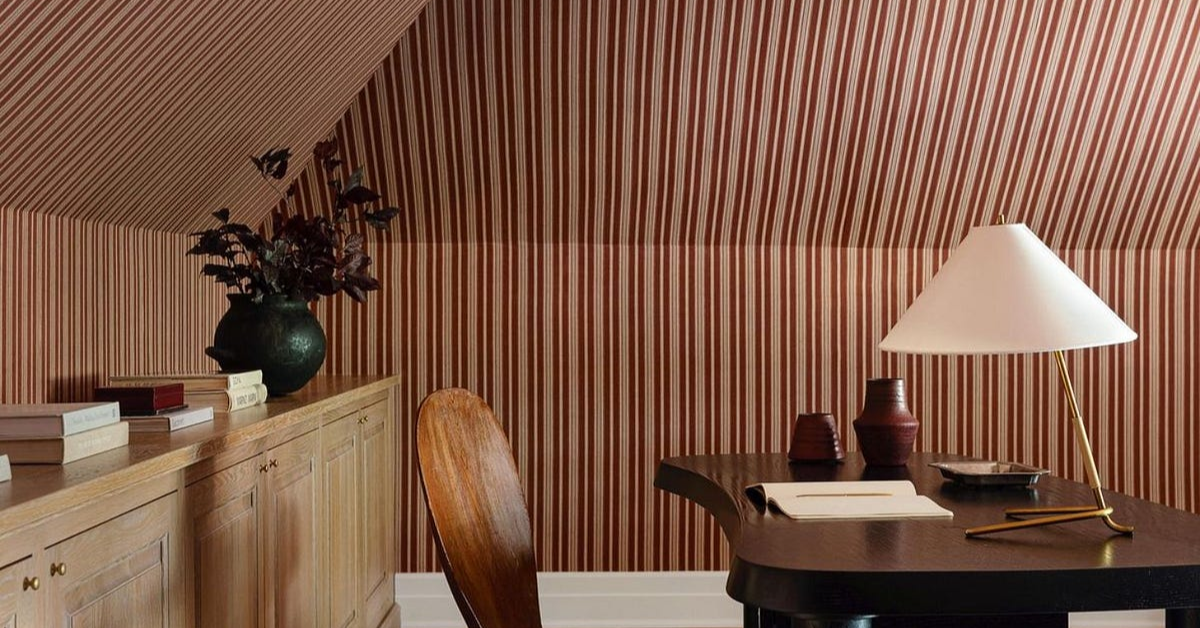
Consider the size and ceiling height of your room. Vertical wood slats or vertical wallpaper stripes visually elevate low ceilings. Dark painted surfaces work best when balanced by generous natural light or layered interior light fixtures. Smaller rooms benefit from subtle wallpaper patterns or medium-toned paint shades that add character without overwhelming the floor plan.
Stay in touch to get more updates & alerts on TubeGalore! Thank you